For most people, biting into a peanut butter and jelly sandwich can transport a grown person back into childhood. The creamy texture of peanut butter mixed with the sweet and tangy strawberry or grape jelly on doughy bread is a bite into one of the world’s popular comfort foods. The sandwich reminded me of my Batman lunchbox packed with my mother’s love during my carefree elementary school days. Unfortunately, during my years as a juvenile correctional officer at the Clark County Juvenile Detention Center in Las Vegas, Nevada, this familiar sandwich became a powerful sensory reminder of the complexities and ironies inherent within the American juvenile justice system.
I worked as a juvenile correctional officer soon after I completed my bachelor’s degree from the University of Nevada, Las Vegas. I was not much older than many young teenagers in the facility. Along with the peanut butter sandwiches, I distinctly remember the process of entering our work shifts and the various smells throughout the units. When entering the facility, a monitored clinical environment, the sounds, and sights become etched into memory. The heavy doors, the echoes, and the constant sense of surveillance set a heavy tone for the atmosphere. I remember walking through these long, narrow hallways in the oldest unit in the detention center. The unit always had problems with flickering lights that made the darkness thick. As our eyes adjust to the dark, the musty walls and rusted iron bars remind us of the countless children and officers who spent time in these halls. The smells in the hallway contrasted between bleach and other industrial cleaners and the faint odor of sweat.
Peanut butter and jelly sandwiches are a staple for children worldwide and a quintessential symbol of childhood in the United States. The simple recipe makes these sandwiches the favorite lunch item for children in school playgrounds and the go-to meal between breaks at work for adults. In many families, affordability is a key factor in the sandwiches’ popularity, a practicality that, in my experience as a juvenile corrections officer, aligns with the cost-cutting measures found in carceral settings. Even in our detention facility, adult inmates from the nearest county jail were transported to prepare the meals for the juveniles. During my years, we would pass out the crustless version of the peanut butter and jelly sandwich made by Smucker’s as an evening snack for juveniles under our care. These sandwiches came in plastic wrappers that released a mixed aroma of artificial fruitiness and nutty peanut butter when ripped open. Biting into it, the white bread and peanut butter clung to the roof of the mouth while the jelly seeped disproportionately. The cafeteria staff would always leave a few extra sandwiches for the staff that we would eat with the youth. The taste of a peanut butter and jelly sandwich in the juvenile detention setting was peculiar, and the symbolism, even then, was never lost on me.
Peanut butter and jelly sandwiches are emblematic of the care and nurture associated with family. In the juvenile detention setting, a space that represents lost freedoms, systemic failures, over-criminalization, and punitive punishment, the taste of a peanut butter jelly sandwich takes on a profoundly ironic tone. Stripped of its sentimentality, peanut butter and jelly become more than a sandwich when served to children in this environment. Unlike the prevailing narrative, the sandwich now represents the harsh reality of institutionalization and dehumanization of juveniles in the system. The sandwich in juvenile detention highlights the conflicts between the idealized perceptions of youth and the retributory nature of the juvenile justice system. Compared with the affectionate context and familial recipes traditionally reserved to make a tasty sandwich, the peanut butter and jelly sandwiches in detention were mass-produced and served in a cold, regimented, and adverse environment. The contrast represents a paradox of a sandwich symbolizing love and care reduced to a cheap snack to meet the juveniles’ basic nutritional needs.
In the years since, peanut butter and jelly sandwiches continue to remind me of my time working in detention. I remember how some juveniles devoured the sandwiches quickly while others slowly peeled the sandwich apart and took their time to enjoy the jelly first and then the peanut butter and bread. However, for the youth, consuming these sandwiches may inadvertently evoke negative feelings of lost innocence and a reminder of the distressing period of their lives. The symbolism of a food item meant to nourish and be a comfort food snack for children now arouses emotions of regret, anxiety, depression, and bitterness over their time spent in detention.
Even in the years since, I have become preconditioned to think of the sights, smells, and noises, the memories and conversations I have had in the juvenile detention center when I bite and taste a peanut butter and jelly sandwich. My experiences with the sandwich, a symbol of childhood, oddly reveal the underlying contradictions of American juvenile justice, symbolized by the loss of innocence and systematic failures that contribute to recidivism. In this context, the sandwich goes from America’s beloved snack to a metaphor for the dissonance between childhood ideals and the realities of how society deals with its most vulnerable and detained population.
* Jelly is the American equivalent of jam in other parts of the world.
It all started with shimmering bodies, a sweaty room, and the strobe lights of my favourite club.
The glitter we had meticulously applied in my bedroom, just hours before, had sunk its way down the faces of my friends, the result of our bodies being pressed up against other sweaty strangers. Coming into the club from the street outside, you’d be hit with a nauseating wave of sweat, vodka, and a sickly warmth that’d cling to your hair. Disgusting. And yet… Magical. As I had looked around the room, I’d found myself wondering where else such unfamiliar bodies would collide and become one sweaty blur. Where else would I not only let a stranger’s sweat fall on me but choose to let it in the pursuit of joy, pleasure, and fun. What I didn’t know then, as my body thrashed around in time with the music, was that these questions would set in motion a PhD trying to understand the self we become in the night-time economy.
My passion for nightlife cannot be separated from a youth spent sneaking into pubs and clubs in my small town on the Welsh border. Armed with a fake ID and whatever alcohol I could steal from my mother’s cupboard, I knew even then that there was something unique about the world of nightlife. That it offered me something magical. Something new. Something different.
And, most fascinatingly of all, that I was different.
Even now, I can recall the smell of the first bar I snuck into. With just a whiff of the perfume that I used to wear at that age, something fruity and sweet with a twinge of burnt popcorn, I’m transported back to the sticky aftertaste of spilled booze and sugary beer. See, the club itself that had a certain smell built into its four walls… The synthetic scent of a low budget fog machine and its chemical haze reaching across the room, mingling with the aroma of too many spilled vodka cranberries. No matter how many times the floor must have been cleaned, the sour sugar had etched itself into the floorboards.
Then there were the human smells. Sharp floral undertones fighting against the unescapable stench of sweaty body odour. When you’d first walk in, the smell was a strong and almost unescapable stench. But, over time, the smell would encompass you until it was barely noticeable anymore. You’d become part of the messy throb of bodies until the question of whose sweat was whose was simply impossible to answer. The sweat would bead on brows, soak shirts, and blend into a mix you couldn’t distinguish yourself in. You could smell the heat radiating off our skin as the bodies packed in tighter, the music seemingly louder, and any traces of perfume long gone. Disgusting? Magical? Both.
See, I loved the “Night-Time Economy” (NTE) before I even knew what this term meant. While there is no standard definition for the NTE, this is a label given to a wide range of nightlife sites such as pubs, bars, clubs and their associated services. Despite all the label encompasses, the phrase has most often been used to refer to the economic activity of the night-time city. However, the NTE is so much more than an economy, and I ask whether something is missed when we attempt to bound and define the space through its commercial activity.
Instead, could the sensory elements of nightlife allow us to better understand the NTE and its happenings within? Would we better capture the NTE by understanding it as an affective atmosphere where normal daily life comes to be suspended for a moment of ‘in betweenness’ (Turner, 1967)? Thinking about the NTE in this way, beyond its bounded and regulated zones (Newton, 2015, Philpot et al, 2019) paves the way for an understanding of nightlife as a social arena both made up of and producing embodied experiences evoking shifts in behaviours, identities and relationships with risk. Is nightlife really just made up of disconnections and continuities with our daytime subjectivities?
Nightlife spaces are, to borrow Durkheim’s term, socially and sexually effervescent places. The environment, often loud and electric, offers ‘possibilities of pleasure, excess and gratification” (Measham, 2004, p343). And, most importantly, it primes bodies to behave in certain ways. But how?
This is where affectivity comes in.
Affectivity refers to the realm of the unconscious and of the passions, emotions, and moods that all play a role in shaping our world around us. Conceptualizations of affect allow us to go one step beyond what is merely felt and make sense of the unconscious realm. Vague, and yet often incredibly intense, affect is thus the sensation that a feeling then expresses (McCormack, 2008). McCormack offers us the perfect example of affectivity… we know how a room of dancing bodies feels before we could begin to put the sensation into words or assign it a feeling.
Affects can layer upon each other to create an atmosphere that, “like a haze” (Bohme, 1993) radiates from and through individuals. This haze is contagious and fills a space in a way that spreads and induces moods, relations, and behaviour that align with the atmosphere, rather than any personal morality. As such, the crowd can be brought closer together, both emotionally and in proximity, in the formation of an imagined community (Anderson, 1983). A community built upon the stickiness of sugary mixers and a sticky floor that won’t wash out of your shoes no matter how hard you try. But, also, the stickiness of an affective atmosphere that sticks to, and with, those within it.
‘Getting lost in the crowd’ is a phrase we’ve all heard before and feels apt here. Both for how individuals tune into the affective flows around them in the NTE, but also how a ‘day self’ can be lost in the NTE and replaced with our new ‘night-self’ with a new set of tolerances, desires, and ideas. See, nightlife venues can be vibrant, exciting, and electric – the perfect place to get “lost” in… and this isn’t something that just happens by accident. The deliberate usage of lighting, décor and music contribute to engineering an affective atmosphere (Tan, 2013), which in turn affects rhythmic relationships between bodies and their wider spacings (McCormack, 2008; Tan 2013).
These affective atmospheres don’t exist outside of the bodies experiencing them. Picture walking into an empty club. You’ve timed it wrong. Or maybe you’ve picked the right time but on the wrong night. The music is still loud, the lights still flash… but it’s not the same. This space needs bodies within to ‘warm it up’ (Duff and Moore, 2015) and create the atmosphere that, ironically, those very bodies are craving by going to a nightclub.
The way I write about, and photograph myself and my friends in the NTE, suggests it is a magical place of community, excitement, and affirmed identity. Which it can be… but isn’t always. It is no secret that the space is saturated with reports of violence, sexual assault and drug use. It’s then not surprising that the NTE is commonly thought about as a place of victimisation and violence.
There is no denying the dangers, darkness, and risk of the NTE, and any attempt to diminish this would be naïve but could also risk misunderstanding something incremental about nightlife…For, the pressing question is: why do we still go despite the potential risk and danger? Or…is this risk part of the attraction? Does it hold a seduction because we don’t always find this elsewhere? In suggesting risk becomes part of the allure of the NTE, is worth noting here that there is an important distinction to be made between feeling uncomfortable in a space and being unsafe (Nicholls, 2019).
For example, I’d feel extremely uncomfortable on a bungee jump at a great height- but would not actually unsafe (as long as I’m properly harnessed in that is!) So, despite the great waves of adrenaline pulsing through my body as I’d leap off the edge, I wouldn’t be in any danger. This distinction is important. Even the most reckless of adrenaline junkies who seek the thrill of “living on the edge” take actions to minimise the level of danger they put themselves in through a range of risk mitigation strategies. See… you can’t enjoy the thrill if the thrill kills you. Thus, when thinking about thrill seeking in the NTE, it is crucial that such behaviours involve the night-self losing control – in a controlled manner. Or, losing control but only temporarily (Briggs and Turner, 2011).
The controlled loss of control materialises across nightlife. This is not just in the risk-taking behaviours within, but in the way we let our bodies move, interact and leak. Outside of sports events, there are few places where a body may “leak” like they may in a nightclub, revelling in its sweaty form without becoming out of place. Bodies are typically expected to be bounded and any bodily materials that threaten this (tears, sweat, blood, urine) have come to transgress the edges of acceptability. While there is nothing inherently disgusting about these fluids, the sweaty, smelly, unbounded body has been cast as something inappropriate in our social spaces today. But not necessarily for the night-self…
I always make sure to pack deodorant in my bag when going into the PhD office, scared to get caught out or be “smelly”. Yet, despite much more skin exposed and adrenaline induced sweat, I’d never bother to cram such a thing into my handbag when going clubbing. In the office, deliberate attempts are made to reduce the possibility for sweating through air-conditioning or architectural design (Waitt, 2014), but the NTE offers a unique thermodynamic environment and a very different set of norms about sweat itself. Pennay (2012) suggests that club spaces provide individuals with the chance to be grotesque and ‘occupy an uncivilized body for a night: to grin like a fool; to laugh too loud; to sweat it out on the dance floor; to flirt outrageously; talk well-meaning shite to strangers; feel sexual, carnal and exhilarated” (Jackson, 2004, p. 123 in Pennay, 2012). Crucially, this idea of “sweating it out” and being “sexual” challenges the conditions that people usually face in regulating their bodies to maintain a “professional” image. Perhaps then, people seek out the NTE not in spite of its so-called ‘grossness,’ but because of it; sweaty bodies in the NTE are liberated to leak, sweat, ooze, but most importantly, to interact with other bodies and their fluids outside of gendered bodily structures. So, reflecting on my opening story, maybe that is why I don’t mind other bodies sweating on me as I dance, hair stuck to my face, arms up, and glitter rolling down my cheeks.
Then the lights come on. The air feels heavier, and the smell of danger loiters in the corners of the club as bodies fight their way to pile out onto the street, each on a mission to get a taxi or find a chip shop still open. The music, replaced by a chorus of drunken shouts, rings in your ears as your sweaty clothes cling to you like a second skin you can’t shed. The air outside is like a slap to the face as your body is hit with reality carrying on outside of your night. Someone’s laughing… Someone’s crying… Someone’s throwing up. Sweat begins to dry down your back as your skin still hums from the vibration of dancing bodies, the smell of quickly stagnating and stale clothes. The sound of bare feet slapping along the pavement rings out as shoes are kicked off for the walk home, wet hair dripping with a concoction of spilled drinks, tears, and sweat. The taste of makeup sliding off your faces, leaking its way down onto white tops that had been carefully chosen and spritzed with perfume just hours before. The leaky, messy, dripping body… Free. For tonight at least.
Nightlife offers us something truly unique, and the chance to be unique. The NTE is magical, scary, and extremely messy… but also special. Trying to understand the NTE through a bounded and overly sober approach would be to neglect what makes nightlife what it is and why it plays such a big role in sociality today. As continue to research the “Night-self” and its affective capacity, allure, subjectivity, tolerance, and vulnerability, I hope to make sense of the NTE in a way that speaks to a truth about the space that has been so often overlooked… That the night-time economy is so different to any other space precisely because we’re different within it.
References
Anderson, B. (1983). Imagined Communities: Reflections on the Origin and Spread of Nationalism. London: Verso.
Bohme, G. (1993) ‘Atmosphere as the fundamental concept of a new aesthetics’ Thesis Eleven 36: 113-126
Briggs, D., & Turner, T. (2011). Risk, transgression and substance use: An ethnography of young British tourists in Ibiza. Studies of Transition States and Societies, 3(2)
Duff, C., & Moore, D. (2015). Going out, getting about: atmospheres of mobility in Melbourne’s night-time economy. Social & Cultural Geography, 16(3), 299-314.
Jackson, P. (2004). Inside clubbing: Sensual experiments in the art of being human. Oxford: Berg
McCormack, D. P. (2008). Geographies for moving bodies: Thinking, dancing, spaces. Geography Compass, 2(6), 1822-1836.
Measham, F. (2004). Play space: Historical and socio-cultural reflections on drugs, licensed leisure locations, commercialisation and control. International journal of drug policy, 15(5-6), 337-345.
Newton, A. (2015). Crime and the NTE: multi-classification crime (MCC) hot spots in time and space. Crime Science, 4(1), 1-12.
Nicholls, E., & Nicholls, E. (2019). ‘People Don’t See You if You’re a Woman and You’re Not Really Dressed Up’: Visibility and Risk. Negotiating Femininities in the Neoliberal Night-Time Economy: Too Much of a Girl?, 207-252.
Pennay, A. (2012). Carnal pleasures and grotesque bodies: Regulating the body during a “big night out” of alcohol and party drug use. Contemporary Drug Problems, 39(3), 397-428.
Philpot, R., Liebst, L. S., Møller, K. K., Lindegaard, M. R., & Levine, M. (2019). Capturing violence in the night-time economy: A review of established and emerging methodologies. Aggression and violent behavior, 46, 56-65.
Tan, Q. H. (2013). Flirtatious geographies: Clubs as spaces for the performance of affective heterosexualities. Gender, Place & Culture, 20(6), 718-736.
Waitt, G. (2014). Bodies that sweat: the affective responses of young women in Wollongong, New South Wales, Australia. Gender, Place & Culture, 21(6), 666-682.
“For the first time in my criminology degree I can actually see the theories and ideas in my own life, outside, in the street.” (Final Year Criminology student, module Feedback (shared with permission.)
Autumn Term. University of Nottingham. 2023. For the first time in the UK I taught a full elective module on Sensory Criminology. Aimed at final year Criminology, Sociology, and Liberal Arts students the idea was to introduce students to the complexities of revisiting the criminological canon through considering the varying ‘sensoria’ that shape our experiential reality and understanding of the world. The basic point being that we, as human beings, are sensory creatures, we smell, we touch, we hear, and we see. These elements of our experience fundamentally shape not just our realities but, necessarily, how we experience and understand issues of crime, victimisation, and criminal justice.
Designing the course was one thing, selling it to students (and other staff members) who had not encountered such ideas before was something quite different. How do you convince students that smell can play a profound role in the experience of victimhood and criminal investigation when they have never really considered the idea of smell in their own lives? What of chronoception and the passing of time in terms of routine activities or sound in relation to green criminology? With developing the module came an explicit awareness that I was going to have to ask students to think about their studies in significantly different ways, and to challenge their learning as they had never considered. I was worried that they would not come with me. I was worried that challenging their pre-existent/nascent ways of criminological and sociological thinking, and asking them to develop a new criminological imagination, was going to go properly Pete Tong.
I need not have worried.
In terms of selling the module it very rapidly became evident that students ‘got’ it. Prior to running the module, I was explaining the basic concepts to a group of students and explored the rather silly, esoteric, and narrative convention of the ‘smell of fear’. I posed the equally silly question, “Does fear have a smell?”. Given this is a common phrase it seemed a useful place to start. Most of the students mentioned ‘acridness’ bitterness’ or sharpness (terms often used to describe this sensory marker of emotion in literature), but one student, a young Black woman from East London, laughed and went “sure, the absence of cocoa butter!”. The other Black students laughed; they immediately got the joke (both about Black skin care and being Black in white spaces), others just looked baffled. However, what it made clear was that students, even those not necessarily engaged or interested in taking the module, could see the links between complex socio-political concepts and the material, corporeal world in which they existed. Simple.
Not so simple …
I designed the module to cover a wide range of quite complex topics, which brought together both classic and novel criminological literature and, to continue the piracy of criminology as a rendezvous subject, coupled it with both novel and challenging sensorial anthropological and sociological developments. At its core, the module focused on the sensory through three distinct issues: 1. The communicative functions and symbolic interactionism of sensory experience; 2. The sensory/emotion/context divide; and, 3. The practices of thick description. There were two assessment points. The first assessment asked students to explore a sensory experience descriptively and analytically. The idea being to explore the complexities of communicating the interiority of sensory experience through written text. The second assessment asked students to sensorially examine a specific ‘space’ of their choosing. The aim was to think through research methodologies, ethics, and forms of analysis that go beyond the subjectively perceptual. Both assessments were designed to allow students to be creative in writing and thinking. By the end of the module students would have an understanding of:
The history of sensory social science
The development of sensory criminology
Sensory criminology and the philosophy of the social sciences
Methods of sensory research
The ethics of sensory research
Differing sensory studies in penality and criminology
How sensory criminology can challenge traditional criminological theory
Sensory victimology
Perhaps the most interesting but complex element of teaching the module was to get students to think through both the distinctions between the Senses, the relationship between them (intersensoriality) – especially as this relates to interoceptive (internal body states) and exteroceptive (external stimuli) senses and the shared yet often subjectively interpreted experience of sensescapes. Think about hearing a police siren – the intepretation is both singular and communal. This is distinct from the emotions that the sensory can evince and how we often substitute emotive descriptors for sensory ones when talking about the experience of sensoria, and the relationship between these issues and the spatialised/relational contexts in which said senses and emotions are being evoked. This is a core element of sensory criminology – affect and the sensory are distinct and to collapse them into a singular framework is to miss the point (and an entire world of analysis). Yet this is common to written English. To make the point, in the first seminar, I invited students to eat a lemon at the same time (I made sure no one was allergic) and then to write a few sentences describing the experience … but they could not use the words ‘bitter’, ‘sharp’, or ‘sour’ (seriously, try this, it’s not easy). Once those word options were removed, most students fell back on the same emotional signifiers (highlighting the degree to which the experience was shared) to explain the experience yet acknowledged that this did not really capture the reality of the sensation experienced. That was the way in.
One of the core problems of developing a sensory criminology is that many scholars have just not got it. They have either attempted to reduce it to something it is explicitly not (affect studies or embodied phenomenology – these are distinct fields in and of themselves) or, by ignoring the symbolic and material communications inherent to sensory experience have dismissed it as descriptively superficial. It has been interesting to see scholars who pride themselves on being analytically open-minded fail to escape the buttressed borders of their entrenched epistemic and methodological schema. They have clutched these comfort blankets so firmly that they cannot stretch a criminological imagination rendered brittle by repeated, but narrowly focused, use. This was not true of the students on the module. It has been a pleasure to see them open mindedly grapple with, and question, the complexities of trying to disentangle and understand criminological sensoria. This was evident in getting the students to think through the Sensory > Emotion <> Context problem.
The Sensory > Emotion <> Context problem, in many ways, sits at the heart of teaching (and understanding) Sensory Criminology. The problem itself is fairly easy to explain but demands a complex, multi-level, degree of analysis/explanation of any sensory event in order to capture it. So, what is the problem: it is that the sensations we experience communicate information that necessarily evokes emotional and cognitive responses, but both the communicated information and those subsequent emotional and cognitive responses are inherently contingent on context. The same sensation can therefore evoke varying responses dependent on differing settings. Take, for instance, hearing footsteps in the dark (a theme raised across all seminar groups by a wide number of female students) or seeing the blue lights of emergency vehicles. The emotional response to each of these can be utterly contextually contingent. If you are a young woman walking home alone from a club, the timbre of the sound of footsteps can utterly change the response (i.e. rushed heavy tread as opposed to the click clack of high heels), as can directionality (towards or away), or even proximity to a ‘safe’ space. To understand these experiences, at a minimum, we need to consider issues of time, space, geography, locale, gender, power, relations, company, rhythms, activity, sound localisation, temperature, lighting, history, weather, and much, much more. Without much prompting the students got it, and immediately understood how this related to other criminological issues they had been studying (from causal models of crime to victimology to green/environmental issues to state crimes), and what it meant for thinking through a seemingly simple issue. It also allowed them to think through criminological concepts as they related to their own lives and experiences.
It was this ability for students, regardless of lives lived, to ‘see’ the topicality beyond the materiality of the classroom and apply the ideas, which allowed them to grasp and utilise the concepts in quite complex ways in the assessments. As third year students you would expect this to be standard, but even at this level getting students to engage and have the confidence to apply new ideas can be difficult. We over-assess students (and children more broadly) in ways that is, pedagogically (and emotionally), detrimental. This requires a sector wide conversation – not that this will be possible whilst we have an educationally ignorant Government. Anyway, the first step in doing this was in seminars where I would repeatedly ask students to both think through how you communicate a subjective sensory experience and to then analyse it. This led us to Geertz’s ‘thick description’. The purpose here was, in seminars and in preparation for the first assessment, to describe quite simple (non-criminological) sensory experience in as much, and as rich, detail as possible in order to communicate the sensation, and its context, in such a way as that someone not experiencing it, would be able to (to create a form of verstehen).
This was designed to do three things: first, allow students to develop their writing in creative ways (something the modern university actively and pedagogically discourages) and to explore the interiority of their experience; second, to consider their audience (beyond a marker) and what the communication of that interiority can involve for others; and, third, to begin to consider how the sensory and experience can be turned into data that can be analysed. This was the goal of the first assessment; to describe a sensory experience in five hundred words, and then analyse that piece of writing (1,000 words). Writing in terms of what is known about sensory studies and how that could be related to wider sociological/criminological issues. For instance, one student wrote about their morning coffee and the role of smell and taste in social routines; another spoke about perfume and scents and their link to familial relations and homemaking; others wrote on connections between the sensoria of clubs, the carnivalesque, and deviant leisure. The writing was rich, the detail profoundly communicative, and the skills on display impressive.
The first half of the module and assessment focused on the relationship between the subjective and the communal as it related to understanding and analysing the sensory. The latter half focused on the spatial and the criminological. This gave students the opportunity to apply skills developed in the first half of the module to the criminological analysis of space. I encouraged students to understand those Lefebvrean notions of space and place, and how the sensory may provide new ways to do this if applied to criminological issues or theory. For instance, could we explore sound, rhythmanalysis, and Routine Activity Theory? Does Guardianship (or its absence) have an audible quality? May the acoustic rhythm of a space play a part in the decision making of those who commit crimes in that space? What about Labelling Theory? Does scent and smell play a part in the way we marginalise and label others? If so, how, why, and what communication is being conferred that allows for this? Can this analysis be applied to Racist logics and policing? The possibilities and combinations of this were endless and gave students a way into a canon that had, until that point, seemed abstract.
The results in the final assessment were testament to the students grasp of rich, thick description, criminological theory, concepts of space/place, and application of a sensorial analysis. One student wrote, vividly, on how the sights, smells, sounds, and textures of Las Ramblas in Barcelona create a polyrhythmic environment that in and of itself creates criminal opportunities in ways not applicable to other urban spaces. Another wrote about the front door as a portal and the relationship between arrythmia and household routines as they may relate to crime. Others wrote about traversing the urban night-time economy and the way sounds, and their absence, can contribute to the gendered fear of crime. There was explorations of parks, lanes, alleyways, shops, pubs, kitchens, public toilets, and carparks. Topics of hate, VAWG, violence, theft, drug dealing/taking, policing, car crimes, and racism were covered. Criminological theory as disparate as Environmental Crime Prevention through to Drug Normalisation, and even Zemiology were considered, and unpacked. I know I am biased (and incredibly proud of my students – I told them this) but these were some of the richest and most critical student essays that I have ever marked (even if some did use Wilson and Kelling in rather odd, and unaware ways). The breadth of reading beyond the course material was impressive and extensive. I nearly got altitude sickness from some of the marks I gave (moderated and approved).
So, what did I learn form teaching Sensory Criminology for the first time? I had built quite a rapport with the students (I had 78) and asked them for quite brutal feedback … they took me at face value. Ouch. However, even in their critique it was evident that they had understood the pedagogy inherent to the module design and the aims of the module. They gave me useful advice on where the gaps in their knowledge and skills lay and how my assumptions about these issues had compounded their difficulties. In light of these comments, I will be adjusting some of my seminar tasks. However, beyond that, one of the things I learnt was that lecturer cynicism about students and their learning is really an ‘us’ problem, rather than a ‘them’ problem. It was clear from the start that students were both reading the set list ahead and backwards. They would raise concepts in discussions that we had yet to cover and were linking these to those covered earlier in the module. I have rarely seen that before. The students were taking ownership of their own subjective learning, despite the scaffolding of conceptual learning built into the module. I have not quite unpicked what it is about the teaching of the sensory that a) allowed for that; b) enabled them to interrogate and thus shape their own learning (oddly something similar to the disruption of ordering that is central to cognitive interviewing, a topic that we explored at various points of the module); and, c) to develop their reflexive learning, and pursue lines of interest through the module topics in ways that made sense to them (including the iterative process of revisiting texts when encountering new ones). If I can pin that down …
Release is often full of hope, expectations of a better life and images of freedom that involve living life to the full[1]. The reality of release can be quite different. Being a prisoner involves significant loss: loss of freedom, loss of choice, loss of communication, loss of possessions, loss of relationships[2] and loss of normal every day sensory experiences that support people in interpreting and navigating the world around them. It is therefore important that we understand the impact of this loss on the release experience. By doing this we are able to support people as they are released from prison to resettle into the community[3].
In Jays’ poem below he describes his realisation of the loss he has experienced through his offence and being in prison, and the impact this has had on his release.
Free to be Blind
Have you tried seeing the world through eyes that can only see the past?
Have you tried taking steps on the road I walk … consumed in darkness?
What’s freedom if it’s lived within a personal prison?
I’m only willing to accept your future if somehow I am invisible… if my voice made no sound, if my existence was just a memory that you don’t have.
Yes, I am free but don’t be blind to my pain!
I still live with my guilt backed inside my soul,
I can’t see what you see… I can’t see a person.
My reflection has no meaning.
My smile is just a mask.
My laughter only a sound you hear.
What’s freedom if a person isn’t truly free?
What’s a future if it includes me?
Jays’ poem depicts a sensorial numbness. His words suggest an inability to feels sensations, relying on others to use their senses to notice his voice, his smile, in essence notice him as he is unable to notice himself. When he is overwhelmed, Jay’s body is unable to recognise or interpret sensory information around him resulting in him feeling numb. To keep himself feeling safe from the unknown of release Jay has built a personal prison around himself, which limits the sensations he experiences and enables him to avoid the feelings of being overwhelmed and unable to cope. However, by doing this he struggles to see how he can feel free and move forward with his life in the community.
Tony compared his experience of release to one of coming out of segregation.
“I was in seg for 18 moths solid. On my own with no one else around. When I came out of seg it was mad. Having people around, people talking everywhere. People everywhere. It was mad. I couldn’t understand what was going on. When people spoke to me, they sounded like Pinky and Perky you know…, I couldn’t make sense of what they were saying. I still don’t like being around lots of people, it makes …too many voices, too many people. When I first came out of jail I went to an AP[4]. I had the same experience as I did coming out of seg. Everything was different, it looked different, felt different. When people spoke to me their voices all merged, like Pinky and Perky talking together – I couldn’t understand what they were saying or what I needed to do.”
Both James’ and Tony’s words highlight how sensory experiences can impact on emotional regulation. The stress of being released from custody exacerbates people’s arousal states and it is therefore unsurprising that this is a time when an individual needs tools and skills to help them manage unwanted and unhelpful feelings associated with sensory overload.
We know and can understand that people being released from prison following long custodial sentences are likely to need some support with the practical aspects of reintegrating back into society. However, in my experience little thought, or consideration is given to the impact of the sensory shock of release, and the immediate effect this can have on a person’s ability to manage the daily tasks required to navigate the community.
For some people I have worked with, release from custody can feel like an existential shock[5]: a sensory explosion. When their body is not able manage the sensory input it is experiencing, this can trigger the fight, flight or freeze response. The visual sensory experience of the world outside prison is tangible for even those of us who have spent just a few hours at a time visiting them: the space, colours, the shapes and how things move is so different from the generally grey, austere prison buildings. Sounds in the community can be enormously overwhelming, the unfamiliar sound of babies and children, emergency vehicle sirens, the cacophony of noise that is the norm in busy towns or on public transport. The touch of a person brushing by in the street can be very triggering for someone who has not experienced touch for many years. The smells of petrol, sewers, smoke, flowers and fresh grass can be reminders of the past but unfamiliar in the present, and the pace of life, the speed with which vehicles move nowadays, the rush of people getting to appointments, are so different from the experience inside prison.
Considering our senses separately enables us to look at how they might be impacted by the experience of release:
In recent years there is an increased interest and a growing evidence base regarding the impact of sensory overload on a person’s ability to engage in everyday life and learn new skills. However little attention has been paid to how sensory overload can impact on a person’s experience of being released from prison. Consequently, little consideration has been given to the effect this can have on a person’s occupational performance in everyday tasks, and their feeling that they can cope with life after prison.
In 1969 Scott and Gendreau wrote that a person “cannot adjust to a sudden release into free society because his mental and emotional mechanisms are adjusted to the deprivation circumstances [of prison]. He cannot tolerate the myriad sensory input in normal environments with its pace, noise, confusion, and instant decision making. Anxiety, restlessness, sleeplessness, and irritability become so great in the released ex-inmate that he may seek means to return to prison with its retarded input and routine existence” (p.341).
Little has changed since 1969 regarding supporting people to prepare their sensory systems for release and enable them to manage this existential shock on the sensory system as they walk through the prison gates and start to navigate community living. However, with the growing interest in this area, and the evidence base that highlights the criticality of this support, we need to ensure that we act on this knowledge and evidence to better support people on their journey from prison out into the community.
In the chapter I co-wrote: “180 prisoners and the noise … it hits you, BANG!” Sensory systems, incarceration and resettlement[1] we identified some key strategies that can support people managing their emotions and behaviours particularly in preparation for release and as they transition from custody to the community. These include:
Understanding a person’s sensory preferences – it is helpful to know what sort of things calm and agitate a person prior to release to have some idea of how to support emotional regulation during times of high stress.
Developing a personalised place of safety – it is important to think about where a person is going to be released to and consider things that can be done to make it feel safe, such as where the bed is placed, the lighting of the room, the sounds they can hear and if they need ear plugs to support sleep etc.
Having meaningful structure and routine – this can feel containing and enable people to know what to expect and when, and plan how they can manage their time on release. Having timetables that identify appointments and activities that will be taking place in the first few days and weeks post release is helpful.
Engaging in sensorimotor activities (activities that combine sensory experiences and physical movement e.g., yoga, gym-based activities, swimming and gardening) – can enable people to develop skills and engage in activities that support them to self-regulate when they are feeling overwhelmed.
Accessing sensory tool kits – these are personalised kits that are uniquely complied to support a person in managing their emotions and behaviours through sensory strategies and tools at times when they feel dysregulated.
Getting release right is critical to supporting successful resettlement. Acknowledging the impact of sensory overload on a person’s ability to self-regulate in the first few days following release is essential. Providing opportunities to enable people to manage their own risks and needs through better understanding of their sensory system can make life feel more tolerable in the first few days, and in the long term will assist people in their resettlement journey. Now is the time to use our knowledge and skills to start offering better support in this area at critical times in a person’s journey through custody and in their resettlement.
[1] Shingler, J., & Stickney, J. (2023). “I can see freedom but I can’t have it”: Supporting people in the immediate aftermath of release. In The Journey from Prison to Community (p. 24-43). Routledge.
[2]Scott, G. D., & Gendreau, P. (1969). Psychiatric implications of sensory deprivation in a maximum security prison.
[3] Stickney, J., Hirons, A., & Jenner, H. (2023). “How could I know what to do?”: Supporting people in building practical skills for resettlement and reintegration. In The Journey from Prison to Community (p. 118-134). Routledge.
[4] AP – Approved Premise, multi-occupancy accommodation managed by the Probation Service.
[5] Canton, R. (2022). After-care, resettlement and social inclusion: The role of probation. Probation Journal, 69(3), 373-390.
As any bookworm could attest, reading is a sensory experience. For example, you have to choose what tea or coffee to brew before sitting down with a book—what flavours go well with this particular book? Of course, before even reaching that step, you’d have to choose a book at your favourite library or bookstore. Having to choose between different books actualizes a lot of things outside of how good the blurb on the back makes it sound. Judging a book by its cover is one part of this, but so is the feel of the paper, and the weight and size of the book (avid readers might be familiar with thoughts like “can I bring this on the train, or will it make my bag too heavy?”, “do I really need another copy of this title just because this one is prettier than the one I have at home?”, or, for the anxious reader, “is this title too embarrassing to read in public?”). Sensory experiences abound, and that’s before we’ve even opened the book.
Reading is both physical and imaginary. For one thing, reading always happens somewhere—and that somewhere can add to, or detract from, the enjoyment we get. In this somewhere, we touch the page, and we imagine the book’s contents. If I read a book at home, and someone else reads it while imprisoned, did we read the same story? Maybe. The story was the same, but the experience of reading of it was probably not.
Different genres, too, lead to different ways of engaging with reading them—we might annotate a book we read for class, scribbling in the margins. We might read a thriller quickly, our pulse quickened by an unsettling turn of events. We might take extraordinary care not to crease the pages, or we might dog-ear them with reckless abandon. We might have a favourite reading chair, or we might struggle to focus on our book while we read in public transit. For anyone who has ever read a book aloud to someone else (or had one read to them), reading can take on a whole other level of sensory experience. Do you use different voices? How do you decide, spur of the moment, how different characters sound? Do you feel self-conscious about it? How does your audience respond? Suddenly, reading is a shared sensory landscape rather than a private one.
Of course, many of the sensory experiences that go into reading have to do with things outside of the book. But far from all of them. Reading, in short, conjures up whatever it is that unfolds in the story in ways that engage our senses. Perhaps most importantly, the process of reading is sensory in and of itself—words on the page conjure images, smells, tastes, and all sorts of emotions. Books make us cry, they make us laugh, they let us escape our current timespace and enter into another, or they bore us half to death (looking at you, third-grade history textbooks). While the story is in the book whether you open it or not, it isn’t until you turn the pages in the act of reading it that this story starts to unfold. Time, for example, does not pass in the story until you make it pass by reading the words as they flow. Reading, then, depends on familiar typesetting, where one word follows another in an order that makes sense—an order that feels safe, even if the story itself is unsettling. This brings me to what is, perhaps, the main point I wish to explore here: how does text itself, rather than the story it conveys, become sensory?
When I wrote my book exploring prison autobiographies, I grappled with questions of dis-ease and dis-order, unsettling timespaces, and frightening encounters. The narrators and characters in these stories offered plenty of opportunities for me to experience an array of uncomfortable feelings. However, I couldn’t help but notice how text itself, as a medium, sometimes struggles to convey certain unsettling moods. Creating atmosphere within the story is one thing, letting readers engage with a sort of imaginary emotional landscape in relation to characters and places in the story. We might feel saddened or frightened, but from a sort of vicarious viewpoint rather than for ourselves. Could text, then, cut through this vicarious layer to unsettle the reader themselves? Can it show, as well as tell? While academic writing might be an odd place for it, I wanted to play around with writing in a way where the text mirrored its contents. For example, my study dealt with uncanny dis/appearances, so part of the text dis
appeared.
Another element of this had to do with uncanny repetitions, which made me repeat a sentence on déjà vu a few times in a row in order to get the point across. The typesetters removed this repetition, thinking it was oh so very lucky that they found this error before the book went to print. That was one of several little things that had to be explained before the book was done; they found ‘errors’ and I went “no, no—this is wrong on purpose” (which was an odd-feeling thing to claim as an academic). To add a final example, otherness was a key theme in the study. Since otherness has to do with being somehow different from the mainstream, I used a different font for these particular others. A friend, flipping through the pages of the published study (in other words, way past the point where I could request changes to the typesetting), asked me, in a bit of a panic, if I had seen the printing errors. While this was not quite the kind of emotional response I had in mind, it did show some element of what I was hoping for: They had responded tothe text, before even reading the writing. What I’m getting at, then, is that by leaning into the view of reading as a sensory experience, and by breaking the familiar ways text behaves on the page, we might underscore the points we’re trying to make—or at least offer the reader a surprising way of engaging with our texts. Granted, since my study had to do with horror, this was perhaps easier than when dealing with more pleasant sensations. Then again, since you’re reading this, I’m guessing that you, too, might be conducting research of your own that deals with the less pleasant aspects of social life. Consider this an encouragement, an invitation, or a dare if you like, to bend the format of academic text in ways that make creative use of the sensory engagements that readers will have with your work.
Sensory criminology stresses the utility of broader, sensory experience for understanding processes of criminal justice. In doing so, it is all too easy to fall into the trap of over-emphasising the novelty of such approaches, but this would be to overlook the ways in which the sensory is deeply embedded in criminal justice practices. There are a host of exciting and innovative projects and people in a number of fields, doing vital work such as Forensic architecture, a research agency investigating an array of human and nature rights abuses, based at Goldsmiths using all manner of innovative approaches both applied and theoretical. Their Saydnaya project with Amnesty international is a persuasive demonstration of how the sensory can be combined with other techniques to powerful effect. They met with survivors and used their testimony to create an account of what went on behind the prison walls, using architectural and acoustic modelling. Kate McClean’s work in Sensory maps is another example of the ways foregrounding the sensory provide a means of deepening and broadening our understanding. The Odeuropanetwork, and their site host a number of innovative cross-disciplinary initiatives. It is not new developments I wish to focus on here, but the contention that the value of attending to the sensory is evident in established criminal justice practices – specifically in the form of cognitive interviewing – and that acknowledging this raises interesting and important questions for criminology.
Cognitive interviewing (CI) demarcates emotions and the senses, usefully distinguishing between these separate realms of experience. CI and the ideas that underpin it, provide an example of how sensory sources of knowledge are embedded in forms of criminal justice. Exploring these methods further reveals how an absence of dialogue between practice and theory has – in the case of the sensory – left theory lagging behind. Attending to the broader uses of sensory experience provides powerful instruction for research practice, and a means of deepening our understanding of violence and its impact.
Background
Cognitive interviewing is a technique used for accurate information retrieval and/or “research synthesis” in social science, forensic and health settings (e.g. Miller et al. 2014; Beatty and Willis 2007). CI is a means of improving the quality of questionnaire data as well as a host of other applications for gathering information, but has gained greatest traction as a technique for interviewing victims and witnesses following a crime – most usually of a more serious, violent nature. In England and Wales CI was nationally wheeled out in 1993 (Shepherd et al. 1999). Its implementation across Australian, American and Canadian police services has been somewhat piecemeal though encouraging witnesses to “rely on their senses” in the process of interview retrieval has a long history, if often focused on speedily concluding investigation and suspects’ testimony (Alpert et al 2012). It has been demonstrated to be more effective than either standard interviewing or hypnosis (Geiselmen et al 1985). Its precision has been built upon in subsequent refinements in both practice and theory, while retaining its two core objectives: retrieving as much accurate information as possible, while safeguarding the wellbeing of the interviewee.
How does it work?
CI works to increase the amount and accuracy of memory retrieval, by circumventing the trauma, arousal and/or anxiety induced by witnessing or being involved in a violent event and minimising the conflabulations (the filling of gaps in memory with believed but false recollection) and inaccuracies that can result. CI places the health and wellbeing of the interviewee at the centre of the process by increasing their agency and control over the course of the interview. This is underscored by the crossover in use of these techniques in therapeutic and forensic settings. While cognitive interviewing has been enhanced and further developed, the basic cognitive theory and principles of memory its retrieval remain; i)in times of stress and trauma memory is better elicited when the broad conditions of the event are recreated, ii)when the subject is encouraged to think about all manner of detail, and iii)when they are encouraged to revisit the event from different points and iv)different perspectives.
These four points of memory retrieval strongly insinuate the sensory. They encourage the foregrounding of detail and perspective which might otherwise be regarded as peripheral, thereby utilising the weaknesses and quirks of memory while under duress; e.g. the trauma and/or distress of being caught up in a violent event. Lieutenant Jason Potts illustrates this point when he quotes Lisak (2002): “Victims are often able to recall the texture of a rapist’s shirt before being able to remember if the suspect was wearing a hat”. Reliving rich and vivid sensory experience, or “flashbacks”, characterise intrusive recollections; a “hallmark” of post-traumatic stress disorder (Clancy et al. 2020). Lee Broadbent’s tweet powerfully illustrates the debilitating effects of these intrusive, traumatic revisitations for witnesses, victims and those caught up in the aftermath of violent events. Effects cognitive interviewing can work to manage.
It is increasingly acknowledged that these techniques are useful when interviewing suspects too. This more accurately reflects the significant number of perpetrators of violent offences who are identified as suffering from post-traumatic stress disorder and associated symptomscknowled. Acknowledging the complicated relationships between victim, perpetrator, violence and trauma also works to disrupt the simplistic binaries we tend to ascribe these categories (e.g. Ternes et al. 2019).
Why this matters
Cognitive interviewing has the subject/participants wellbeing at its core, providing a means of extending greater agency and control over the narrative course. This allows those being interviewed to reflect on their responses in was which extricate their emotional response from their recollections. In this way, sensory memories form part of a broader repertoire of coping strategies, lending greater power to the interviewee in ways which safeguard their wellbeing and protect them against additional trauma. This distinction between feeling and feelings, provides a useful means of distinguishing the sensory from the realm of emotions for which it often provides a powerful conduit. While memory of our senses can offer a compelling means of evoking emotion, they are entirely separate facets of human experience. The senses are not emotions and collapsing them risks obfuscating both our recognition of the epistemological and methodological potential of the sensory and our understanding of how we make sense of our world.
Potts persuasively argues that cognitive interviewing can enhance police legitimacy when dealing sensitively with victims and witnesses of crime. He demonstrates the value of considering how these long-established knowledges can be better and more consistently incorporated into practice. In the social sciences, these approaches to working with people who may be vulnerable and/or have suffered traumatic experiences, offers instruction for how we may proceed more ethically in the field. Attending to the sensory highlighted this in my own practice, providing me with a means of working carefully when researching sound in the prison environment. Considering the utlity of cognitive interviewing also serves to validate the role of the sensory in understanding matters criminological. In this aspect of criminology, theory is substantially behind practice. We speak about the iterative process between research and theory but attending more closely (and carefully) to the sensory reveals a chasm in communication between those of us who talk and teach and those of us who do and practice. The deeply embedded practices and wisdom of CI illustrate how impoverished our thinking can be in the absence of these conversations.
Being more sensitised to the sensory onslaught which characterises the aftermath of trauma allows us to better comprehend the profound toll of those working with violence and its aftermath. Accounting for how the sensory can be a source of intrusive recollection and distress allows for a more sensitive response to victims of violent crime, as Potts persuasively argued. More controversially, perhaps, this also carves out space for considering the impact of violence – as well as the often complicated and pre-existing relationship with it – for those who engagined in it. It is not so much the extension of these techniques in the field of interrogating suspects I argue for here, but rather what this affords us in greater and deeper understanding of a complex criminological phenomenon. Often, representations of violence become couched in those tensions between moral and legal discourse, to the detriment of disinterested inquiry. We cannot see, hear, smell, feel for the emotions that so frequently characterise responses to criminal justice (Karstedt et al 2011).
CI is an example of the ways in which the sensory informs practice and understanding in the realm of crime investigation. It also demonstrates the value of honouring the iterative process between practice and theory as it extends beyond our academic realm[1]. Here is a means of clearly distinguishing between our sensory and emotional worlds, and an opportunity to reassess our understanding of violence and trauma. Far from being a frivolous novelty, or an academic indulgence, exploring the ideas underpinning the development and deep-rootedness of CI illustrates the profound source of understanding offered by our senses.
For more on this, and the potentials of sensory methods for understanding criminological practices and processes, please see our forthcoming chapter: Herrity, K., Schmidt, B., Warr, J.J. “Sensory “Heteroglossia” and Social Control: Sensory Methodology and Method“ in Dodge, M., Faria, R. (eds) Qualitative Research in Criminology: Cutting Edge Methods. Springer
References
Alpert, G.P., Rojek, J. and Noble, J. (2012) ‘The cognitive interview in policing: negotiating control’, Australian Research Council, Centre for Excellence in Policing briefing paper, issue 13. Available online: https://core.ac.uk/download/pdf/30678703.pdf
Beatty, J.C., Willis, G.B. (2007) “Research synthesis: the practice of cognitive interviewing”, Public Opinion Quarterly 71(2): 287-311.
Shepherd, E., Mortimer, A., Turner, V. and Watson, J. (1999) ‘Spaced cognitive interviewing: facilitating therapeutic and forensic narration of traumatic memories’, Psychology, Crime and Law 5(1-2): 117-143.
Ternes, M., Cooper, B.S., Griesel, D. (2019) “The perpetration of violence and the experience of trauma: exploring predictors of PTSD symptoms in male violent offenders” International Journal of Forensic Health Vol.19, No.1
Amy’s chapter in “Sensory Penalities” revisits fieldnotes from extensive research experience in correctional settings, to ponder what value lies for our understanding in revisiting the “The Everything Else”. She prompts us to consider “what is the price of sharing these visceral details? What is the price of keeping them hidden?” and argues that “Sensory perceptions” allow us to “move forward with an intention to build a more authentic representation of our shared humanity”. These impressions, usually excluded after the data has been stripped and “consumed”, comprise not the “scraps” and left behinds as we commonly regard them, but are “the thickest cut that bleeds when you chew it, gets stuck in your throat, turns over in your stomach, and gives you a taste of what is actually being served” (Smoyer 2021: 202, full citation at the end of the piece).
As social scientists, academics, and activists dedicated to understanding, improving, and undoing correctional systems, we regularly travel through prison spaces. Our upcoming book, Sensory Penalties, describes some of these experiences touching, smelling, breathing, and hearing punishment. These observations of the inside become even more pressing and relevant today, as the COVID epidemic has pushed many of us to the outside, rendering correctional spaces invisible. And yet our work is deemed non-essential. Today, the inquiry persists outside, as we move through and with community, noticing the traces of prison all around us.
Research has found that the six months following release from prison are the most deadly, especially for women who live with opioid addiction (Binswanger et al., 2013). Was the woman who died in the park by the river several years ago on this pathway home? The news does not share this detail, but knowing that it is easier for a person who uses drugs in the US to go to prison than treatment, the scenario is possible.
Since the COVID lockdown began in March 2020, I have walked by her memorial countless times. Every once in a while, I will stop to see it. The memorial, which has been meticulously maintained through all the seasons over months and months, exudes a powerful love that shimmers with grief. Rainbow-colored mobiles capture the wind, mirrors and glass reflect light, knickknacks suggest an inside joke, candles build warmth. I have never seen anyone tend to the memorial and imagine a brigade of fairies building the project by moonlight.
Last week, I could barely make out the latest additions to the monument because the sun shone directly into my eyes and I was hesitant to stand too close. We see what and when we want to. The river was still, the park was quiet, and the cold air smelled like distant snow. I imagine her as a newborn baby, covered in goo; a child raising her hand in class, heart pounding; a young person in love, sweating; a desperate person causing harm, surviving; a grown woman waiting in the prison med line, impatient. I imagine her sitting next to the tree, mind focused on one destination, distant from fairies who would tend to her spirit when she departed.
Binswanger, I. A., Blatchford, P. J., Mueller, S. R., & Stern, M. F. (2013). Mortality after prison release: Opioid overdose and other causes of death, risk factors, and time trends from 1999 to 2009. Annals of Internal Medicine, 159(9), 592-600.
I would like to start this blog by acknowledging the people in Aberdeen who are responsible for our street art and the visuals featured within this piece. These people have made it possible for me to start expanding my criminological and sociological imagination thanks to their creativity in our home; I hope that paying closer attention to “unlikely places” will mean that those unknowns will feel acknowledged and less alienated. I would also like to say thanks to Dr Colin Atkinson and Dr Erin Sanders-McDonagh – two academics (and friends) who have been generously supportive of me in recent years, and who have inspired me to explore the power of visual and sensory methods in research. Many thanks also to Dr Kate Herrity for giving me the platform to write and discuss partial findings and interpretations of my fieldwork, and for having thoughtful conversations with me on sensory criminology.
Deep-Sea-Soul-Sensing
My first sensory experience of the sea comes from my childhood living in Larne, a seaport and industrial market town on the east coast of County Antrim, Northern Ireland. As a child, I loved to run over the grassy hill at the back of my house and listen to the boats’ horns, watching them glide in and out: I wanted to know what it would feel like to be on one. Little did I know that, one day these moments of curiosity would become a reality, and vital for my family’s safety. When I was eight-years old, I was on one of those boats, escaping, with my mother and brother, from my father’s domestic abuse. We travelled to Stranraer, a town in South West Scotland, and then caught the train up to Aberdeen, where a social worker was waiting to drive us to a women’s refuge in Aberdeenshire.
I will never forget the journey, leaving to start a new life in Scotland, with a mixture of feelings of overwhelming fear, excitement and sea sickness. Whenever my mother and I have reflected on the journey, she apologises that I became unwell. It acts as a trigger stemming from the guilt she still holds for staying with my father as long as she did, trying to change his abusive behaviour. Some mild nausea did not phase me, even as a child. I was on one of the boats I had watched with joy. But most of all, I felt a great sense that we were going to be safer. It is for this reason that I have a comforting, yet reflective, relationship with the sea; watching and listening to the movement of the waves is the ocean’s way of confirming to me that we got away.
When I meet people who are from Northern Ireland and they ask me where I am from, their facial expressions and body language give a lot away. This is not to convey any great love of Larne: “Christ almighty, you’re not really from that rough shithole, are you?” I shrug it off, as it is not as if I personally hold many treasured memories from my birth home, although our next door neighbour was a friend to my mother and a lifeline to us when my father was especially violent and we needed to get out of our house. However, it is the same stigmatised reaction that I get when I tell people I mainly grew up in the North East of Scotland, in Aberdeenshire and in Aberdeen City. That chilly, wet, mean, rich, oil-dominant place that is far away from everywhere else – ‘the Granite City’, as it is commonly known, because of the presiding urban city-scape of locally quarried grey granite.
Admittedly, I have had my own depressing thoughts of Aberdeen. This is not because I believe we live constantly under a hovering ‘Aber-doom’ cloud of grey in the complete absence of bright spells, but because it creates my own frustrations, witnessing and experiencing the impact that the oil and gas sectors’ volatile nature of production and price can have on people’s livelihoods and declining living environments. It denotes the historic discrimination and ongoing survival of working-class fishing communities and our stark social divisions, inequalities and crime. It cuts deeply amongst people living here that we endure great vulnerability as Europe’s oil capital. No area in Scotland is immune to poverty from a decade of UK Government austerity measures, but Aberdonians do ask the question, “Where has all the oil money gone?”
An Illuminating and important spotlight on Aberdeen’s poverty was televised last year, on ‘Darren McGarvey’s Scotland series. It was a relief for locals to witness, on screen that our social challenges were being given national attention, rather than them being drowned in a sea of oil and material wealth. My only criticism is that people living in the North-East barely have a voice to talk for themselves about these challenges at a national level in Scotland. This must now change as we go forward, experiencing another identity as an energy transition environment.
A new appetite for multi-sensory exploration
In thinking about the potential for criminology/sociology research in the North-East, back in July, I attended an arts-based socially-distanced ‘sensory sea-sound walk’ to explore the acoustic environment (facilitated by researcher Maja Zećo and supported by the ‘Look Again Aberdeen’ organisation). The walk started off at the South Bank of the River Dee, going past Torry and in and around part of Aberdeen harbour
To give a brief context, Torry, which sits opposite the harbour and within Aberdeen city, is an area and community historically based around fishing and boat building, although over the years it has become more of a hub for the oil and gas giants. For better or for worse, Torry is always firmly on the table for discussion due to the area’s deprivation and social stigma that live beside the undeniably diverse and rich community spirit. The industrialised harbour site, once host to the largest fish market in Europe, is acknowledged by some as an urban gift, due to its inner city presence and accessibility, including a claim to fame in the Guinness Book of World Records as the oldest existing business in the UK. However, the harbour site can be viewed with more nuanced local realities; for example, it is an industrial space where onlookers can watch boats pass by against the backdrop of towering oil tanks whilst eating a bag of chips. However, be sure to prepare for battle with the criminally-aggressive and renowned oversized Aberdeen seagulls about to flock around you.
The focus of the walk was to savour the aesthetic pleasures of listening by examining sounds which we do not normally pay attention to, as well as different volumes and textures, and the relationship between quiet, industrial, and residential zones. Although genuinely curious and keen to participate in the walk, carrying my notebook, pen, fully-charged phone and wearing my face mask, I didn’t expect to experience as many visual, sensory and therapeutic stimuli as I did. This forced me to confront my own problematic relationship with the physical environment, which has led to a level of disengagement. In other words, it became apparent to me that I had neglected to fully register what was so close and right in front of me. The walk gave me a bitter sweet taste; on the one hand, I became revitalised after setting aside my inner frustrations of structural struggle and oppression, but equally I felt guilty because I thought I was making a considerable effort to ensure I was witnessing and acknowledging it – it being the good, the bad and the damn right beautiful and ugly. It is true that the usual urban and industrial suspects were out in force that day: the gulls shrieking alongside the stretch of constant traffic through the city centre, as if they were in competition with one another to make the most noise. Also present were the inescapable odours of fish and other pollutant pongs as a reminder of the atmospheric harm and dominance that comes with the territory of living in such an industrial environment. The group came together at the end to discuss how our personal identities contribute to our experience of listening to places, including the need for multisensory engagement, incorporating histories and memories situated in place.
What was an hour and half’s worth of walking evolved into several weeks of my own independent fieldwork, revisiting the area, looking at the visuals on the streets and abandoned buildings with an appetite to feel, see and listen more. I was also able to visualise the expansion of the urban trail through Torry, with the end point being the site for the new £350 million Aberdeen South expansion project, which will accommodate larger vessels being used in a range of industries, including cruises, as part of addressing the downturn of the oil. Directly opposite the area will also lie a soon-to-be-constructed new multi-million-pound clean energy park (Energy Transition Zone). A campaign group is now in battle with the oil elites to prevent them from taking away the last green space in Torry – St Fittick’s Park. Is history repeating itself again? In an opinion piece I wrote for a national newspaper, entitled ‘Brexit, coronavirus, oil, and the struggles of Scotland’s North-East’, I urged that any current and future developments to address deindustrialisation and economic renewal in the form of a speedier transition from oil and gas to a sustainable renewable energy future could only be deemed ‘just’ if they were driven by a humane agenda. Indeed, we must reflect and learn from our past mistakes, which are rooted in greed and sit beside unforgiveable misfortune, otherwise we have missed the point entirely. There should be no fast flowing free pass to claim success and the future title of “Energy Capital of Europe”. Any risk of harm caused by the unjust exercising of elite power in the pursuit of creating an “energy pot of gold” which exacerbates or causes the persistence of social inequality and environmental harm must be monitored and scrutinised, but also documented. It is for this reason that expanding the criminological and sociological lens in the North-East (green criminology for environmental concern and crime, as one example) would be timely, as it would restore the critical eye in the hope that people’s voices will be strengthened and human lived experiences will become conceptualised over the transition. Such an expansion would also fill a major geographical gap in Scotland in a region which is part of the global phenomenon of deindustrialisation politics – that, for me, is the transition gold at the end of the rainbow. It’s time to swap the ‘shithole’ insults for sensory ethnographic methods to inspire inclusive, therapeutic and collaborative conversations for researching home, belonging and atmosphere
Fieldwork Findings and Interpretations
‘Stuck’: Humorous stickers but hazardous industries
Situated directly opposite the harbour, the imposing cartoon smiley sticker is funny, playful, but it also feels sinister. The smile of the emoji, popular for evoking positivity of the human experience, is trying its best not to be distracted by the toxic eye, representing the hazardous nuclear waste dripping down—but how long? Do we need to keep just smiling despite the harm?
Close to harbour boats and in the midst of intense noise construction (hammering and drills), this pirate skull sticker armed with crossed swords, gave me an immediate sharp focus for thinking about the dangers associated with our major industries of fishing and oil in the North East, the more unfortunate realities for people working on the sea—rough working conditions and risks to health and life. The sticker gave me a clear message of deadly troubled waters
Separate but linked: ‘Go Fuck yourself; it’s Scotland’s oil!’—the politics of Scottish independence
There is a strong sense of political support depicted through a large number of ‘YES’ for independence stickers on the streets all around Torry and the harbour, next to the North Sea oil. This provided me with moments of reflection, some of which evoked worries, doubts and insecurities about our future, our homes, how we feel living here and our contribution to the debate on Scottish independence. Aberdonians feel tension on this subject, particularly in relation to their industries, economic policies and Brexit. Although one sticker exhibits a fresh and bold-looking sense of freedom, the profanity sticker below, even though distinct, provides a connection and an example of local discussion on the Scottish Nationalist Party (SNP) and the UK government, for instance, the issue related to where the oil money is being distributed. The sticker suggests uprising, frustration and a possible message ‘It’s Scotland’s oil’, which was a political slogan used by the SNP in the ‘70s to build its economic case for an independent Scotland. Both stickers inspire an honest change.
Sweet smell of surprise: a rebellious weed!
This weed took my sense of smell to another direction while I was walking down Sinclair Road. Through the harsh stench of fish and industrial smoke, at either side of me, it offered me a powerful sweet fragrance as if it was trying to be noticed and offering a few moments of relief from the background of strong competing smells. The weed is high enough to cover the background of tall tanks, so I could catch a glimpse of the natural world tangling through hard and tough industrial fencing. It is a rebellious weed that is making a bold statement by climbing high. Because it really wants to be seen, it provides me an inner comfort as well as a feeling of confirmation that exploring the area was an important and necessary experience—we should always have a closer look at the most unlikely places and look out for nature —for inspiration.
Words of accuracy: tanks labelled ‘slops’
When I saw the word ‘slops’ on these tanks, it felt accurate as it depicted my own images of liquid: overflowing, spillage and other industrial harms, including the harm from oil. In my research, I had found that ‘slop oil’ needs careful management since it contains water, oil and a mixture of waste products. Slop oil can cause dangerous environmental hazards and costly storage problems. It is a serious burden not only for oil companies and governments but also for communities. Moreover, it is a reminder of the burden Torry has been ‘gifted’ by the oil industry. Yet, the liquid is stored in front of the community waiting to be dealt with.
The sun still shines on fishes: community strength in Torry
Although Torry has largely been cleared to make way for the oil boom, there are still some small fishing businesses left. Although most of the fishing sector now operates from Fraserburgh and Peterhead. This mural on a fish factory that sits directly across the River Dee gave me the perception of the community—keeping oneself above the dark shadows. The sun still shines on fishes, giving them a needed spotlight. Although vulnerability has made deep inroads, some strength has still survived, preventing from falling into dark shadows beneath and pushing to move on. It depicts a sense of closeness, resilience and hope. Torry has a long-standing social stigma attached to its deprivation, poverty and crime, particularly drug-related crime. It shows why dark spots of Torry’s history should not be swept aside, along with its social challenges.
Abandoned, but with character intact: double-handed peace amid neglect
When walking back from the new harbour expansion site to the centre of Torry, I walked past this abandoned warehouse which bore several graffiti writings. What brought an instant smile on my face was a double peace sign and cheeky hat on the corner wall of this unoccupied building. To me, the double hand gesture symbolising peace is not there to represent victory but a higher form of resistance against being abandoned, sitting on a skateboard representing activity and movement. The top hat symbolises an upstanding presence. So, perhaps the place is empty but not completely abandoned.
Crashing waves of construction: the comforting sea but the unknown future
This picture represents the first visit to the new Aberdeen Harbour Expansion site. The sea has always been of comfort to me in several ways—particularly for the fact that it has helped to bring me and my family to safety. I will always want to be as close as I can to the sea in the future. However, the experience of watching the developments at the new Harbour Expansion site is disturbing. It is miserable to listen to the crashing sound of the waves in a bleak background and the noises of the machine bringing along the worries of the unknown. The known is what will be physically present here from the expansion, but the unknown is how this will impact people and their living environments—who will benefit? My own experience of moving to the North-East is interconnected with my concern for people and the environment in the North-East. Although it is more fearful and strongly reflective experience to confront the construction atmosphere, it needs to be faced. We cannot allow the decisions about our future and industrial decline to be made by a small number of wealthy men at the top. The time is now to take ownership.
The other day I was lain abed, taking advantage of the snooze alarm, dozy with the warm snuggled hug of the memory foam topper keeping me from the day. Parched, gritty eyed, in comforting dark when I was torn from my state by Bang … BANG, BANG!
I was immediately alert, up, on edge, worried, looking for the fresh Adidas, thrown back, awaiting the later crash as the door succumbed to uniformed baton and boot. The sounds of the banging immediately transported me back to a former time and a “6 in the Morning …”[1] moment that I was not, until this moment, aware had been haunting me. Fortunately, this time it was not the police. It was just an impatient delivery driver bringing some novelty to the door (unlike some advisory others we’re adhering to lockdown rules) and had ignored the doorbell and had just slammed fist to door. However, it got me to thinking about the police and The Knock.
Thus far many of the blog posts that have been presented here have focused on the sensorial nature of the prison and conducting research therein. This is understandable as the admins are all currently prison researchers and thus many of our connections are in the same field. However, the aim here has always been to expand our work and thinking beyond the realm of prisons and our book on Sensory Penalities into the wider realm of a sensory criminology. Here I aim to discuss one element of that: namely, the symbolism enmeshed within the police actions of knocking on a door.
Kate Herrity[2] notes that sounds such as banging (in one section of her thesis she discusses banging on cell doors) are symbolically communicative. The rhythm, timbre, volume, pitch, and tone of the ‘bang’ convey a range of messages and information. From calls for attention, to dissatisfaction, to alarm and panic, to anger – all can be contained within those sounds. She also argues that in order to understand the sound environment, the soundscape, of the prison (and thus in order to understand the prison), we need to become attuned to those sounds in order to be able to interpret and discuss their relevance and meaning within the social ecology of that environment. I contend here that we can extend such thinking to explore the relevance and meaning of police behaviours – here specifically the Knock.
Knocking is an interesting phenomenon in and of itself. There are whole articles and essays based on this.[3] The interpretations of ‘knocks’ is a complex neuro-social interaction which comprises varying neuro-functions conjoined with forms of social cognition[4]. There is the identification of both the action itself (becoming aware of the sound) and the form (discerning location and component of the sound) and then a process of contextual interpretation – what does the sound/knock mean? Ordinarily, and evidently, a knock represents an external person’s expressed desire and intention to gain some access into the space from which a door currently blocks their progress. The knock, therefore represents an intent[5]. However, there is a complex relationship of cultural expectation, mores, and manners involved in the act of a knock. Evidenced by the fact that some ‘knocks’ on a door can be considered rude – you will know what I mean by that. Think about that, you will have some recognition already that some forms of ‘knock’ are inappropriate. BANGBANGBANG when bringing a cup of tea to someone on a conference call for instance. Yet, though we have some recognition of this when asked to contemplate it, it is nevertheless one of those simplistic acts in our quotidian lives that is much more complex than we ever really bother to consider.
When it comes to the police, and their knocking on your door, this is complicated by the function of their knocking. Or in deed not knocking. In the US policing literature, there is a wide range of critical explorations on the controversial policy and practice of the ‘No-Knock’ warrant – whereby the police can gain access to a property without the ordinary provision of having to ‘knock’ on the door[6]. When it comes to police practice there is a great deal of symbolic communication layered into the sounds of their knocking or decisions not to knock. Due to the delivery drivers rude awakening of my imagination it made me realise that I have been subjected to varying forms of the ‘the knock’ by the police. There is no singular knock here, instead there is a multitude of aural communications, being proffered by differing forms of the knock. Here I explore three.
tap … tap, Tap
When I was 17 a friend of mine died. The police who attended the scene asked me to accompany them to the family’s home in order to break the news to my friend’s mum. It was the first and only time I ever got into a police car willingly. Fuck knows I did not want to go but … what do you do? I remember so vividly how nervous the two officers, one older male, the other a younger woman, were on the way there. It was the first time I had ever seen people who I associated with power, hostility, and ill-treatment seem vulnerable. The ride there was filled with pained silence. They had seen the devastation wrought on the child of the person we were on our way to see. The closer we got the more nervous we all got. As we reached the house, I felt sick with dread. The officers approached the door and gave the door a tentative tap, followed by a brief pause, and then two more taps. The last of which seemed more assertive – tap … tap, Tap.
Tap, Tap … Tap, Tap
Sat in my flat in East London, minding my own business, watching tv, there came a Tap, Tap … Tap Tap at my front door. There was a weird, proprietary air to the knock on the door. As I disentangled myself from the cushions on the sofa in order to answer the door there came a further Tap, Tap … Tap, Tap. It was, as most knocks are a call for attention, but interlaced into this knocking was something of authority, confidence, and impatience. It made me hesitate. Nervous. Alert. Ready for a confrontation, violence if needs be. When I opened the door there were police officers, a number, strategically placed at the portal, eying the locked security gate with suspicion. Nerves, fight or flight instincts began to kick in, until I noticed another set of officers at the door opposite. “Sorry to bother you sir, but there was an incident outside last night, and we’re just checking to see if you saw or heard anything”.
Routine. Breathe …
BANG, BANGBANGBANG, BANGBANGBANG
Crash. Splinter. Baton and boot.
“6 in the morning, police at my door, Fresh Adidas squeak across the bathroom floor, Out my back window I make an escape …”[7]
Except I didn’t escape from the flat. I barely made it out of bed before hands and boots were on me. Blurs of black and white. Pain, sharp, intense. Shouts ringing loud but incoherent. I had no idea why they were there but … that was nothing new. It was the last time though. There is nuance to the communicative, and symbolically communicative, actions of the knock. Here, by exploring just three forms of knock employed by police officers we can begin to see how the act of knocking on a door, with differing intents, can be discerned. We tend not to think about the sensory element of actions of, or performances by, those who wield power. Yet they are there. If we are to have a greater understanding of the interactivity of that power with the public then we need to begin to start taking these sensory elements more seriously. There are questions to explore and to be answered. This is what sensory criminology aims to do, revisit much of our criminological understanding and see if there are facets that we have, hitherto missed.
[1] Ice-T (1986) “6 ‘N the Morning”, Rhyme Pays, Techno Hop Records, Warner Bros, Los Angeles: California.
[3] For instance, von Wright, G. (1988). An essay on door-knocking. Rechtstheorie, 19(3), 275-288.
[4] Lemaitre, G. Pyles, J. A. Halpern, A. R. Navolio, N. Lehet, M. and Heller,L. M. (2018). Who’s that Knocking at My Door? Neural Bases of Sound Source Identification, Cerebral Cortex, Vol. 28(3): 805–818.
[6] See: Dolan, B. (2019). To knock or not to knock: No-knock warrants and confrontational policing. St. John’s Law Review, 93(1), 201-232.
Goddard, J. M. (1995). The destruction of evidence exception to the knock and announce rule: call for protection of fourth amendment rights. Boston University Law Review, 75(2), 449-476.
When I sat down to write about my sensory experience in prison I hesitated. I have a lot of rich data from my participants describing their sensory experiences, which have greatly enhanced my knowledge and understanding of the prison environment. But my sensory experience? Having not spent extended periods of time in prison, I wasn’t sure I had a right to claim any significant sensory experience. During my first and most significant experience of prisons research, I spent approximately one year going in and out of four UK prisons interviewing prisoners who were participating in a rehabilitation programme, BrightHorizons, which was the focus of both my PhD and a wider evaluation study. Throughout these interviews I focused closely on what my participants said to me, and I have always considered the stories I heard to be the main source of my own knowledge and understanding. However, when I looked over my fieldnotes and data and reflected on my experience, I was hit with an avalanche of sensory memories. I realised that the sounds and tactile experiences that I had been surrounded by whilst in the prisons had hugely influenced my interpretation and understanding of my participant’s accounts of their experiences of prison and the programme.
BrightHorizons was a dual-purpose initiative that brought groups of at-risk young people into the prison estate and trained teams of prisoners to deliver interventions to them, with the aim of diverting young people away from the criminal justice system and supporting prisoners’ rehabilitation. The programme was delivered in four Cat C/training prisons in South-East England (three men’s, one women’s), with a designated space for the programme to run within each prison. This consisted of the main programme room where all the action happened, a kitchen area and/or office, and a toilet. Two prisons had their own separate portacabin, whilst the other two had designated areas within the main prison. I interviewed prisoners in either the kitchen or office, with the door shut and a view through a small window into the main room.
I was struck by how the sensory experience in the privacy of the interview space was sharply juxtaposed with that in the adjoining room, where the rest of the team were training. The presence and absence of sound and touch was particularly profound and are the focus of this blog post.
Sound and its absence
I always arrived at BrightHorizons to a cocktail of sounds. There were usually between seven and ten men or women in the room, but it sounded like a far bigger group. There was layer upon layer of different sounds, which got invariably louder as each of the participants clamoured to be heard. Somebody would tell a joke and the room would rumble with laughter, there was a constant stream of what was popularly referred to as “banter”, hands slapped together in high fives and every now and again somebody would break into song or start rapping.If I closed my eyes I could have been standing in a school at playtime, or amongst a group of friends at a festival. I suppose such a lot of noise from a group of near strangers in an unfamiliar environment could have been intimidating, but instead all of these sounds bubbling over one another put me at ease.
Inside the interview room, however, it was the absence of sound that made the most noise. Participants spoke softly and slowly and there were regular, long silences as they considered their answers. The tone of the interviews was mixed- words dripped with sadness and regret, sighs were heaved and voices wobbled and cracked as participants spoke about their past. And then the tone would lighten, become animated and eager, and laughter would be shared as they regaled stories of their families, their time spent on BrightHorizons, and their hopes and dreams for the future. At times the tone was more serious- words carefully chosen, measured (other than the odd expletive!) and laced with frustration, as they reflected on the dark side of being in prison and the less positive aspects of the programme. Throughout the dynamic tones and relative quietness of the interviews, the constant muffled sound of laughter and banter could be heard from the main room- which felt like a reminder of the relief that the group atmosphere provided in the context of such complex individual life stories (Collica, 2010; Marshall and Burton, 2010).
Touch and its absence
“Touch is one of the most essential elements of human development, a profound method of communication… and a powerful healing force.” (Bowlby, 1952)
Something that struck me straight away when spending time at BrightHorizons was the centrality of touch in prisoner’s interactions. Stereotypical depictions of the prison centre on iron bars, high razor-topped fences and heavy metal doors, which connote a physical separation, isolation and coldness antithetical to tactility. Touch in prison can be a ‘taboo’ (Houston, 2009). The BrightHorizons space was filled with high fives, back slaps, hugs, fist bumps and handshakes. Touch was obviously a vital aspect of participant’s interactions, and it strikes me as I write this how deeply people in prison must be missing such sensory experience during the current Covid-19 lockdown (Douglas et al., 2020). But it wasn’t just about touching and being touched by others. One warm and sunny day when I was interviewing at the women’s prison, I sat outside the portacabin with the women on the surrounding field at lunchtime, feeling the grass between our toes and the sun on our faces. This felt quite significant for me, as I felt a little bit less of an outsider. From my fieldnotes:
“M popped in while I was writing and said they were sitting in the sun for a bit and I was welcome to join them nice to be involved as can feel a bit awkward when just hanging around not sure where to plonk myself.”
If I closed my eyes I could have been in a garden or park. None of the men’s prisons had green outside space, and this example highlights the differences in sensory experience depending on the specific prison environment the men and women were in. When I asked Anthony what he was most looking forward to upon release he said:
“Four and a half years behind a door, just get a bit freedom, even just to do a walk, like I don’t know, walk on some grass or something (laughter).”
Within the realm of the interview touch was far less salient. I sat opposite participants, with a table where the audio recorder was placed physically separating us. Generally, this physical space felt appropriate and comfortable, and did not appear to impede rapport or interview depth. Male participants, particularly, appeared conscious of maintaining boundaries, and were outwardly apologetic and embarrassed if they felt these had been crossed. For example, from one interview:
I: Okay, that’s interesting, thank you. So, a little bit about the future now, so you said your parole’s pretty soon –
R: Sorry –
I: – that’s okay (laughter).
R: – I’m playing footsie with you under the table (laughter). Sorry (laughter).
I: That’s okay, that’s alright. So, parole is due relatively soon did you say?
When interviewing female participants the absence of touch felt more palpable. Perhaps due to the shared experience of being female and increased relatedness and empathy associated with this. The interviews with the women were generally of a more emotional nature and I often felt the need to physically comfort them. I felt torn between maintaining professional and ethical boundaries, which made me feel that it would be inappropriate to hug my participants, and responding with care, which made me feel guilty for not huggingthem, as this felt like the most intuitive response to a human being in distress (Dickson-Swift et al., 2007; Cowburn, 2010). I did my best to communicate care, compassion and empathy through my voice and eyes. From fieldnotes:
“Most harrowing interview yet- she cried at one point and I very nearly did on a few occasions. When she cried I didn’t quite know what to do as was the first time it had happened- she carried on talking and seemed like she wanted to finish what she was saying so I got up and got her some tissues but didn’t interrupt what she was saying and then she kind of pulled herself through it. I wanted to hug her at the end and tell her how amazing she is but I knew that would be inappropriate, so I complimented her on her English (which she was clearly self-conscious about) and wished her all the best instead.”
Concluding thoughts
Tuning into the senses helped me to understand the importance of the programme space in terms of providing sensory and physical stimulation that my participants did not generally experience anywhere else in the prison. This contributed to one of my most dominant findings, that BrightHorizons provided participants with a sense of home. BrightHorizons appeared to function as a sort of sensory bubble. Having somewhere to go where they knew they could relax and unwind gave them the space to recover from general tiredness induced by the prison environment, detracted from the stresses of daily prison life, and made it easier to deal with the rest of the prison (see also Stevens, 2012; Frank et al., 2015):
“it was very like a home, not a home but it’s like a home within prison if you understand what I mean, a go to place to escape sometimes”. (Keira)
Having a space perceived as ‘theirs’ and access to a few ‘home comforts’ seemed to have provided prisoners’ with a community of their own (Stevens, 2014; see also Lloyd et al., 2017), away from the “absolute chaos”(Jonathan) of the rest of the prison:
“To tell you the truth, since I’ve come to BrightHorizons I don’t even think about the rest of the prison.”(Marvin)
But it also occurred to me that there is an element of a sort of sensory time/space trap. Due to the highly structured nature of BrightHorizons and predictability of the prison rules and regimes that programmes are bound by, these sorts of sensory experiences seem likely to lose their significance eventually, as they risk becoming as monotonous as the rest of the prison. This was reflected in my finding that participants who had spent some time on BrightHorizons had found themselves less stimulated and were pursuing other experiences alongside it. Yet they all carried on participating, because groups of youngsters and professionals visiting every week added a much-appreciated element of spontaneity and meant no two weeks were identical. This underscores the importance of people in prison being able to interact with a diverse group of people- including staff, family and friends on the outside, and fellow prisoner- and participate in various creative activities to provide ongoing growth and learning via sensory experience (Houston, 2009; McNeill et al., 2011).
Bowlby, J. (1952) Maternal Care and Mental Health: A report on behalf of the World Health Organisation. Geneva: World Health Organisation.
Collica, K. (2010) ‘Surviving incarceration: two prison-based peer programs build communities of support for female offenders’, Deviant Behavior, 31(4), pp. 314–347. doi: 10.1080/01639620903004812.
Cowburn, M. (2010) ‘Principles, virtues and care: ethical dilemmas in research with male sex offenders’, Psychology, Crime & Law, 16(1–2), pp. 65–74. doi: 10.1080/10683160802621974.
Dickson-Swift, V. et al. (2007) ‘Doing sensitive research: what challenges do qualitative researchers face?’, Qualitative Research, 7(3), pp. 327–353. doi: 10.1177/1468794107078515.
Douglas, M. et al. (2020) ‘Mitigating the wider health effects of covid-19 pandemic response’, BMJ, p. m1557. doi: 10.1136/bmj.m1557.
Frank, V. A. et al. (2015) ‘Inmates’ perspectives on prison drug treatment: A qualitative study from three prisons in Denmark’, Probation Journal, 62(2), pp. 156–171. doi: 10.1177/0264550515571394.
Houston, S. (2009) ‘The touch “taboo” and the art of contact: an exploration of Contact Improvisation for prisoners’, Research in Dance Education, 10(2), pp. 97–113. doi: 10.1080/14647890903019432.
Lloyd, C. et al. (2017) ‘A short ride on the penal merry-go-round: relationships between prison officers and prisoners within UK Drug Recovery Wings’, Prison Service Journal, 230, pp. 3–14.
Marshall, W. L. and Burton, D. L. (2010) ‘The importance of group processes in offender treatment’, Aggression and Violent Behavior, 15(2), pp. 141–149. doi: 10.1016/j.avb.2009.08.008.
McNeill, F. et al. (2011) ‘Inspiring desistance? Arts projects and ‘what works?’’, Justitiele Verkenningen, 37(5), pp. 80–101.
Stevens, A. (2012) ‘“I am the person now I was always meant to be”: Identity reconstruction and narrative reframing in therapeutic community prisons’, Criminology and Criminal Justice, 12(5), pp. 527–547. doi: 10.1177/1748895811432958.
Stevens, A. (2014) ‘“Difference” and desistance in prison-based therapeutic communities’, Prison Service Journal, (213), pp. 2–9.




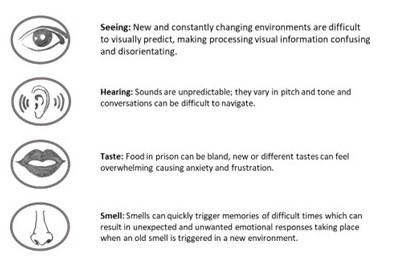


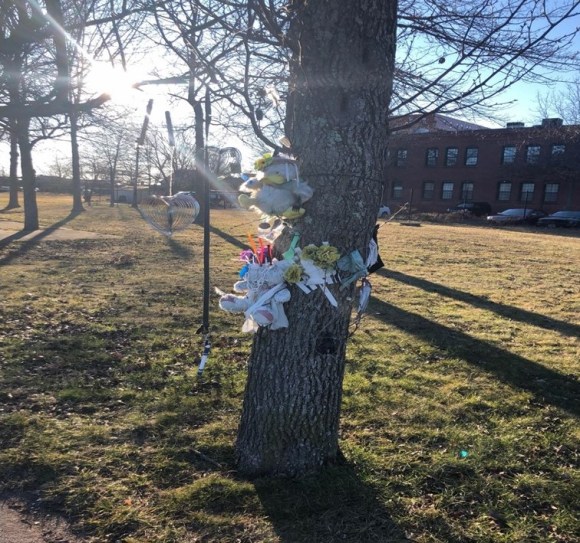
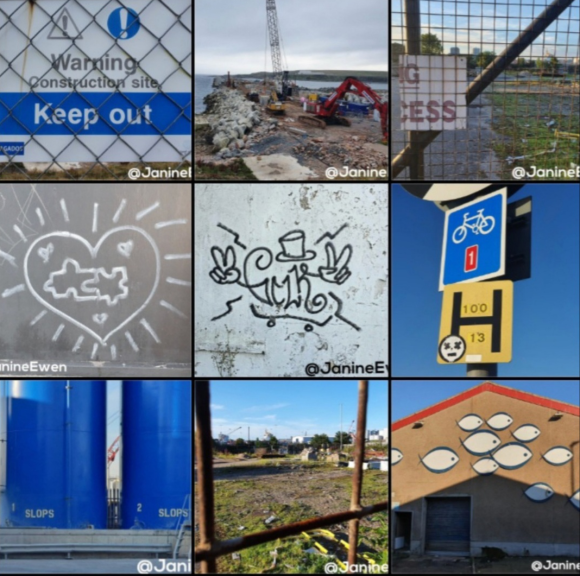


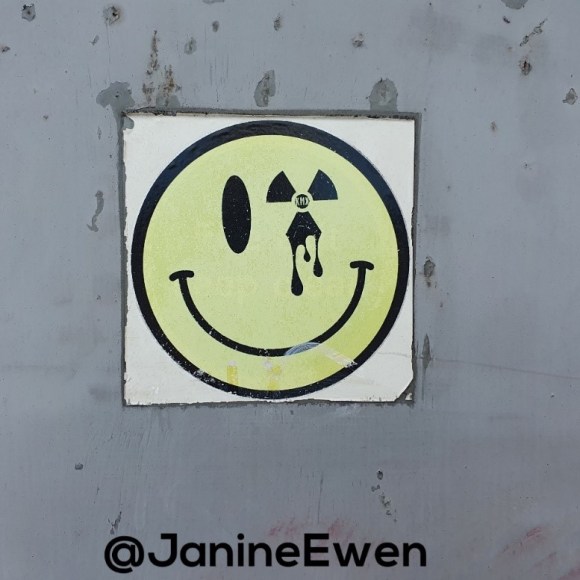



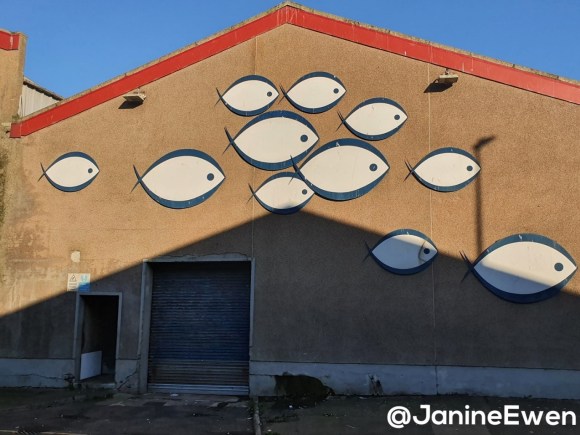


 Sensory Criminology